
When Surviving Isn’t Enough Anymore
When Surviving Isn’t Enough Anymore
There was a season of my life when everything felt heavy.
Not dramatic in a way people could see.
Not loud or chaotic.
Just heavy.
I was a stay at home mom with six kids, my marriage was unraveling, and I had no idea what was next for me. I was doing my best to hold everything together while quietly wondering how any of this was going to turn out.
And there was one sentence I said over and over again.
“I’m struggling.”
I said it in my head.
I said it out loud.
I said it throughout the day like it was simply stating a fact.
At the time, it felt honest. It felt accurate. It felt like the only way to describe what I was experiencing.
What I didn’t realize was how much that belief was shaping how I moved through my life.
What survival mode actually feels like
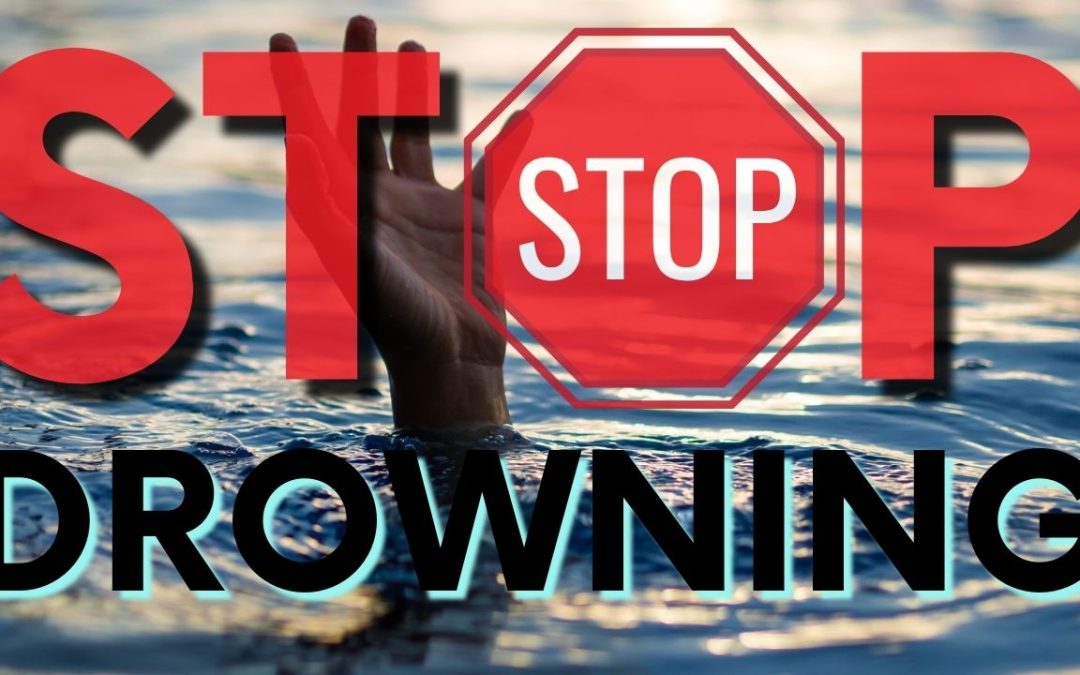
For me, struggling meant drowning.
When you’re drowning, you’re not swimming toward shore. You’re not thinking clearly or planning your next move. You’re gasping for one more breath of air, just trying to stay afloat in the moment you’re in.
That’s what survival mode feels like.
You wake up already tired. You move through your day bracing for the next thing. You react instead of choosing. You do what needs to be done, but there’s no space to think about what you want or what matters to you.
According to the American Psychological Association, chronic stress keeps the body in a constant fight-or-flight response, which makes clear thinking and intentional decision-making much harder.
https://www.apa.org/topics/stress/body
Survival mode can keep you going, but it doesn’t move you forward.
Why believing you’re drowning keeps you stuck
Here’s the part that surprised me the most.
Believing I was struggling didn’t help me cope. It kept me stuck.
That belief kept my body tense. My thoughts stayed narrow. My focus stayed on getting through the day instead of imagining something different.
Harvard Health explains that when the brain perceives ongoing threat or overwhelm, the stress response stays activated even when there’s no immediate danger.
https://www.health.harvard.edu/staying-healthy/understanding-the-stress-response
That was me.
I wasn’t swimming anywhere. I was treading water. And the longer I stayed there, the harder it felt to imagine that anything could change.
The thought that changed how I showed up
Nothing around me changed first.
My circumstances didn’t suddenly improve. The questions I had about my life didn’t magically disappear.
What changed was one thought.
I remember thinking very clearly:
I get to choose how I show up in my life.
That thought didn’t fix anything, but it gave me something I didn’t realize I’d lost. A sense of agency.
Research shared by Verywell Mind shows that our thoughts influence our emotions and behaviors, which is why even one new belief can begin to change how we respond to difficult situations.
https://www.verywellmind.com/how-thoughts-influence-emotions-and-behaviors-4163504
That one thought changed how I felt about what I was living through. And that mattered more than I realized at the time.
How thoughts become actions
Here’s what I’ve learned through lived experience.
Thoughts generate emotions.
Emotions create actions.
Actions build results.
Results shape beliefs.
When I believed I was drowning, my emotions kept me frozen.
When my thinking changed, my emotions followed. Not confidence. Not certainty. Just enough steadiness to take a step.
And that step mattered.
Why Small Steps Matter More Than Big Ones
I didn’t overhaul my life all at once.
I made small choices.
I went to football games with my kids and enjoyed them. I took walks and let myself think. I started paying attention to what I needed instead of pushing myself aside.
And even though those felt like small, simple actions — they mattered.
There’s a reason for that. Research shows that small, consistent steps build real, lasting change over time, especially when life feels overwhelming and chaotic. When everything around you feels heavy, trying to make a giant leap often feels impossible. But taking one small step — something you can actually do today — starts a chain reaction.
According to an article in Psychology Today, small steps create tiny shifts in your experience that, over time, add up to meaningful transformation. These small choices help you build confidence, create new patterns, and slowly open up options you didn’t think were possible before.
👉 https://www.psychologytoday.com/us/blog/simplifying-complex-trauma/202301/how-small-steps-lead-to-big-lifestyle-changes
Movement creates momentum.
And that momentum changes how your life feels day to day — even before you can see the long-term result.
You don’t have to stay in survival mode
If you’re in a season where you feel like you’re just trying to make it through the day, I want you to hear this.
You don’t have to fix everything.
You don’t have to know what’s next.
You don’t have to believe in yourself yet.
You only need to decide how you’re going to show up today.
That decision is powerful, even when it feels small.
Want to hear this story instead?
If you want to listen or watch, click here to listen to the full episode:
What I Did When Everything Was Falling Apart
Your next step
If this resonated, this is where I’d start.
Give yourself a few quiet minutes with the Doodle YOU Daily Reset. It’s a simple daily practice designed to help you reconnect with yourself, notice what matters, and begin choosing how you show up in your life again.
You don’t have to stop surviving all at once.
Just take one step toward something more.