
Finding Your Purpose in Life: Does Faith Matter? | Mormon Channel
Source: Finding Your Purpose in Life: Does Faith Matter? | Mormon Channel
Source: Finding Your Purpose in Life: Does Faith Matter? | Mormon Channel
There is a quiet pressure many women carry that rarely gets named.
It shows up as responsibility. As care. As love.
It sounds like, If I don’t handle this, who will? Or If I can just make this work, everyone will be okay. Over time, that pressure becomes the background noise of life. You don’t even realize how tightly you’re holding things together until you’re exhausted.
That’s where I found myself the day this episode was born.
All my kids were home. The house was full. The expectations were unspoken but loud. I wanted things to feel good. Comfortable. Right.
So I did what I’ve done for years. I tried to manage the experience.
Not in big obvious ways. In small ones. Tone. Timing. Energy. I was watching everyone, adjusting myself, trying to keep things smooth.
And then I decided to record a doodle lesson.
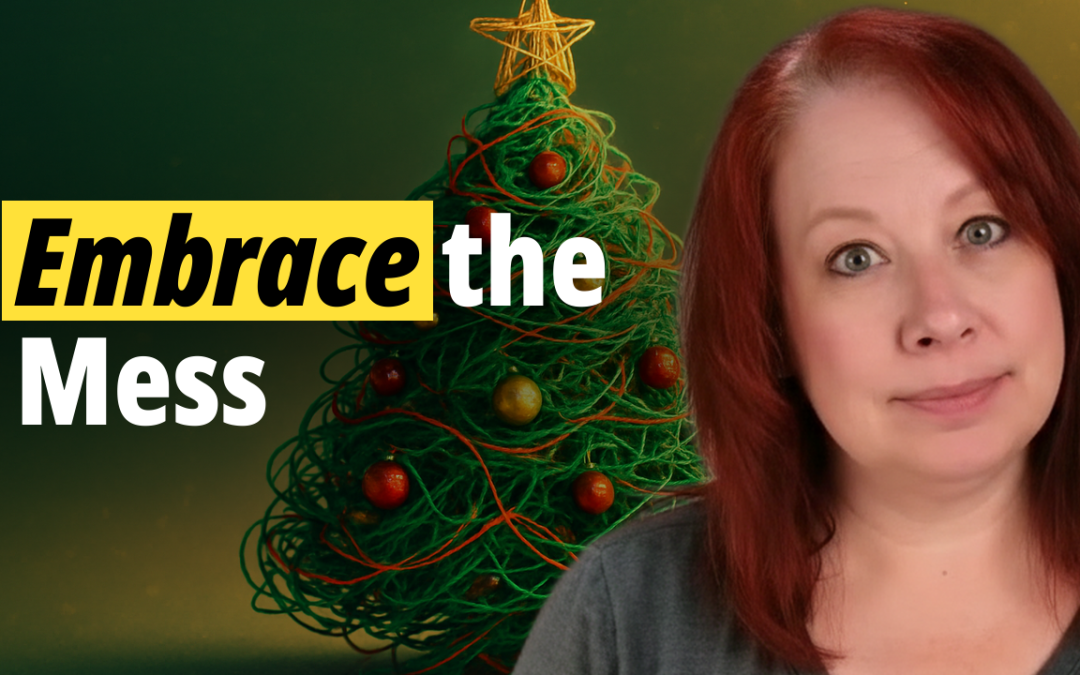
The lesson was called Scribble Christmas Trees. The idea was simple. Tape the shape of a pine tree. Scribble inside it. Let it be messy. Pull the tape off and see what appears.
Simple.
Except the video was dark. I had a black smudge on my nose. And I was whispering like I didn’t want anyone to hear me. I laugh about it now, but in that moment, I was worn out.
Trying to hold everything together had caught up to me.
As I started scribbling inside the taped tree, I noticed how uncomfortable I felt. The lines looked wrong. The scribbles felt sloppy. My hand wanted to slow down, correct, redo.
That urge wasn’t about the doodle.
It was familiar because it’s how I move through life.
I start with love. And then I try to control how things turn out. How people feel. Whether everyone is okay. If everyone is okay, then I can relax. At least a little.
But that’s not care. That’s control.
And it’s exhausting.
When I finally pulled the tape off the paper, the tree appeared. It wasn’t perfect, but it had character. And then the paper tore.
Right along the edge.
Old me would have thrown it away or tried to hide the tear. But instead, I just sat there and looked at it.
I didn’t fix it.
I added a few lines and stars, not to make it better, just to support what was already there.
Something softened in me as I sat with it.
I wasn’t rushing. I wasn’t correcting. I was just letting it be.
And that moment felt familiar in a different way.
I see this pattern everywhere now.
In how we parent. In how we show up in relationships. In how we manage family dynamics.
Many of us take on responsibility for how everyone else feels. If someone is uncomfortable, we step in. If something feels off, we try to smooth it over.
But people have their own thoughts. Their own reactions. Their own feelings.
Allowing that doesn’t mean you don’t care.
It means you’re letting go of a role that was never yours to carry.
This isn’t about checking out or lowering standards. It’s about noticing where you’re gripping too tightly.
When you stop fixing everything, you start to see what’s already okay.
You notice moments you were rushing past. You feel your own body again. You give other people space to be who they are instead of who you need them to be.
Life is still messy. There are still rough edges.
But messy doesn’t mean broken.
It means human.
If you want to explore this for yourself, try the Scribble Trees practice.
Tape a simple tree shape on paper. Scribble inside it without planning. Notice the urge to fix. Notice what comes up. Then pull the tape off and sit with what you see.
Let it be what it is.
If you’d like to see the original imperfect video that inspired this reflection, you’ll find it linked in the show notes.
If you’re realizing how much you’ve been holding together, you don’t have to untangle that alone.
You can Book a Call with Cindy to look at what you’re carrying and what you’re ready to release.
You don’t have to fix everything.
Sometimes the bravest thing you can do is let it be.
If you want to go deeper, here are a few places to explore next:
Watch the Podcast Episode here: https://youtu.be/N00qOw4rZPg
Learn more about Doodle Therapy here: https://doodletherapyuniversity.com/what-is-doodle-therapy/
Watch the original Scribble Christmas Trees video: https://youtu.be/dRIov6qG0lc
External reading: Psychology Today has helpful articles on perfectionism, emotional responsibility, and people-pleasing that expand on what we talked about here.
If you’re realizing how much you’ve been holding together, you don’t have to sort that out alone.
You can Book a Call with Cindy to talk through what you’re carrying and what you’re ready to release.
You don’t have to fix everything.
Sometimes the bravest thing you can do is let it be.

There was a season of my life when everything felt heavy.
Not dramatic in a way people could see.
Not loud or chaotic.
Just heavy.
I was a stay at home mom with six kids, my marriage was unraveling, and I had no idea what was next for me. I was doing my best to hold everything together while quietly wondering how any of this was going to turn out.
And there was one sentence I said over and over again.
“I’m struggling.”
I said it in my head.
I said it out loud.
I said it throughout the day like it was simply stating a fact.
At the time, it felt honest. It felt accurate. It felt like the only way to describe what I was experiencing.
What I didn’t realize was how much that belief was shaping how I moved through my life.
For me, struggling meant drowning.
When you’re drowning, you’re not swimming toward shore. You’re not thinking clearly or planning your next move. You’re gasping for one more breath of air, just trying to stay afloat in the moment you’re in.
That’s what survival mode feels like.
You wake up already tired. You move through your day bracing for the next thing. You react instead of choosing. You do what needs to be done, but there’s no space to think about what you want or what matters to you.
According to the American Psychological Association, chronic stress keeps the body in a constant fight-or-flight response, which makes clear thinking and intentional decision-making much harder.
https://www.apa.org/topics/stress/body
Survival mode can keep you going, but it doesn’t move you forward.
Here’s the part that surprised me the most.
Believing I was struggling didn’t help me cope. It kept me stuck.
That belief kept my body tense. My thoughts stayed narrow. My focus stayed on getting through the day instead of imagining something different.
Harvard Health explains that when the brain perceives ongoing threat or overwhelm, the stress response stays activated even when there’s no immediate danger.
https://www.health.harvard.edu/staying-healthy/understanding-the-stress-response
That was me.
I wasn’t swimming anywhere. I was treading water. And the longer I stayed there, the harder it felt to imagine that anything could change.
Nothing around me changed first.
My circumstances didn’t suddenly improve. The questions I had about my life didn’t magically disappear.
What changed was one thought.
I remember thinking very clearly:
I get to choose how I show up in my life.
That thought didn’t fix anything, but it gave me something I didn’t realize I’d lost. A sense of agency.
Research shared by Verywell Mind shows that our thoughts influence our emotions and behaviors, which is why even one new belief can begin to change how we respond to difficult situations.
https://www.verywellmind.com/how-thoughts-influence-emotions-and-behaviors-4163504
That one thought changed how I felt about what I was living through. And that mattered more than I realized at the time.
Here’s what I’ve learned through lived experience.
Thoughts generate emotions.
Emotions create actions.
Actions build results.
Results shape beliefs.
When I believed I was drowning, my emotions kept me frozen.
When my thinking changed, my emotions followed. Not confidence. Not certainty. Just enough steadiness to take a step.
And that step mattered.
I didn’t overhaul my life all at once.
I made small choices.
I went to football games with my kids and enjoyed them. I took walks and let myself think. I started paying attention to what I needed instead of pushing myself aside.
And even though those felt like small, simple actions — they mattered.
There’s a reason for that. Research shows that small, consistent steps build real, lasting change over time, especially when life feels overwhelming and chaotic. When everything around you feels heavy, trying to make a giant leap often feels impossible. But taking one small step — something you can actually do today — starts a chain reaction.
According to an article in Psychology Today, small steps create tiny shifts in your experience that, over time, add up to meaningful transformation. These small choices help you build confidence, create new patterns, and slowly open up options you didn’t think were possible before.
👉 https://www.psychologytoday.com/us/blog/simplifying-complex-trauma/202301/how-small-steps-lead-to-big-lifestyle-changes
Movement creates momentum.
And that momentum changes how your life feels day to day — even before you can see the long-term result.
If you’re in a season where you feel like you’re just trying to make it through the day, I want you to hear this.
You don’t have to fix everything.
You don’t have to know what’s next.
You don’t have to believe in yourself yet.
You only need to decide how you’re going to show up today.
That decision is powerful, even when it feels small.
If you want to listen or watch, click here to listen to the full episode:
What I Did When Everything Was Falling Apart
If this resonated, this is where I’d start.
Give yourself a few quiet minutes with the Doodle YOU Daily Reset. It’s a simple daily practice designed to help you reconnect with yourself, notice what matters, and begin choosing how you show up in your life again.
You don’t have to stop surviving all at once.
Just take one step toward something more.
Let’s talk about hope. Not the cross-your-fingers kind, but the kind that fuels your future.
The kind that whispers, “You can keep going.”
Have you ever had a time when hope felt far away? Me too. And I want to share a story with you about finding hope again.
Want to hear me tell this story in my own voice? Watch the full episode on YouTube here.
There was a time in my life when I didn’t know how to move forward.
I was a stay-at-home mom raising six kids when my husband of 29 years told me he wanted a divorce. He had already filled out the paperwork, talked to an attorney, and just wanted my signature.
At that moment, my world stopped.
I had no job experience, no education, and no plan for what came next.
My worth felt gone, and I didn’t know who I was anymore.
I remember thinking,
“What am I supposed to do now? Where do I go from here?”
The only answer I had was to just take a step.
So I did.
I made an appointment with a marriage counselor. AND I mourned.
I created a résumé. AND I rested.
I applied for a job. AND I waited.
Each tiny step forward, no matter how small or difficult, kept me moving and kept the ball rolling.
Through this process, I began to understand what hope really is.
Hope is not just wishful thinking.
Hope is the confident expectation of good, even in dark times.
It’s trusting that God’s goodness hasn’t run out and that better days are possible.
Even when life is heavy, holding onto hope changes your trajectory, your energy, and your courage.
Learn more about hope and resilience in uncertain times from the Three Oaks Behavioral Health
So how do we actually rebuild hope when life feels heavy?
I like to keep it simple. Four letters. Four steps. One word: HOPE.
This framework helped me regain faith, courage, and resilience to start moving forward again.
Want a printable version of the HOPE framework to keep at your desk or journal? Grab it here on my website.
At that time, I kept saying to myself, “I’m struggling.”
I said it when I woke up, throughout the day, and at night before I went to bed. It became the soundtrack of my life.
One day I realized what that thought was doing to me so I decided to think something else. (I know easier said than done.)
So I changed my words. Instead of “I’m struggling,” I began whispering:
“Hold on. Keep going. Just take another tiny step.”
At first, I didn’t believe I could. But the more I said it, the more my heart began to trust it.
That’s what hope looks like sometimes, a quiet choice to change the words you are feeding your mind.
For a deeper look at faith and hope, check out Desiring God: Hope Resources.
Hope doesn’t require a full plan. It just asks for one step, even a tiny one.
In my darkest days, I couldn’t fix everything at once. But I could make a tiny bit of progress. Progress like:
Getting out of bed. Making a phone call. Writing down one hopeful thought.
Those small steps started to add up. Every step forward proves that you’re not stuck; you’re moving.
Need more inspiration on hope and optimism? Read Psychology Today: Why Hope Matters.
Encouragement from others is great and all. But most days, no one is going to give it to you.
I had to learn to encourage myself with my own thoughts:
“I am resilient.”
“I am strong.”
“I am courageous.”
“I’ve got this.”
Those words became my inner cheerleader when nothing else was going right.
And you can do the same. Speaking life into yourself is a key part of finding hope again.
Hope needs fuel. The fuel is the thoughts you choose.
Discouraging thoughts drain your energy. Energizing thoughts lift you.
I practiced thoughts like:
✨ “God is always with me.”
✨ “The best is yet to come.”
✨ “I am just getting started.”
My situation didn’t change overnight, but my energy did.
That energy gave me the strength to take the next step, and then the next.
Want research-backed ways to fuel your inner energy Check Mayo Clinic: Stress Management
In the end, my husband and I decided to fight for our marriage.
It was a long, rough, hard road. But step by step, we found our way back to each other.
Hope didn’t fix everything overnight. But it gave me the strength to keep showing up, one step at a time.
If hope could carry me through that, it can carry you too.
If you’re in a dark season, remember this:
Hope isn’t about seeing the whole staircase.
It’s about holding on, taking a step, encouraging yourself, and fueling your heart with energy.
You don’t have to wait for someone else to hand you hope.
You can create it for yourself today.
Because you, my friend, are a warrior.
And warriors rise.
Watch the full story on YouTube and subscribe for weekly inspiration: Doodle Healing: The Warrior Way
Join our community for more support and inspiration: Healing Strokes: A Doodle Warrior Community
Grab your free HOPE Framework printable and exercises: Doodle Therapy University
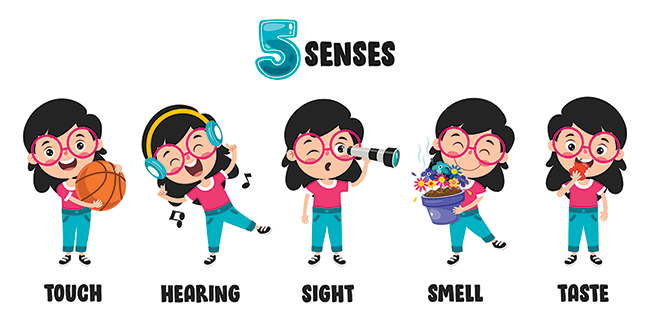
Practicing gratitude is one of the simplest yet most powerful ways to bring joy and calm into our lives. Engaging our five senses makes it easy to savor life’s details, helping us to feel more grounded and present. This Five Senses Gratitude Practice allows us to pause and appreciate the small, beautiful things we often overlook. Through Doodle Therapy, we blend creativity with mindfulness, making gratitude a fun, simple part of each day. Here’s how to engage each sense in your gratitude practice, plus a Thanksgiving-inspired doodle exercise to bring it all together and I have a free download to get your started.
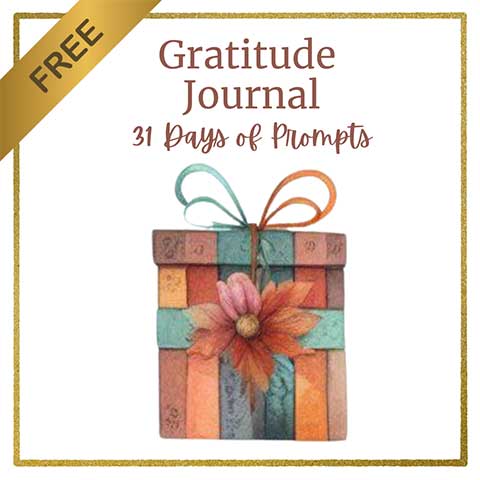
I know from personal experience that gratitude is a powerful tool for enhancing well-being and resilience. By integrating creativity with mindfulness, Doodle Therapy offers a unique approach to experiencing gratitude. My mission is to help you connect with yourself and the world around you through simple, joyful practices like this five senses gratitude practice that celebrates what we see, smell, taste, touch, and smell. Join me in exploring how gratitude can transform your life, by starting a daily gratitude practice. Download the Free Gratitude Journal to get you started.
Gratitude through sight means slowing down to notice the visual beauty around you. Think of colors, shapes, and details that often go unnoticed.
Whether it’s birds chirping, music playing, or even the comforting hum of your home, sound is a beautiful way to ground yourself in the present.
Embrace the scents that evoke happiness and memories. Each aroma is a gateway to gratitude and mindfulness.
Enjoy the tastes that delight your palate. Let each bite remind you of life’s simple pleasures and the joy of being present.
Touch grounds us more than any other sense, connecting us physically to the world. Whether it’s soft fabric, a cozy sweater, or even the texture of a pen, touch offers a quick, easy way to experience gratitude.
Pause and ask yourself, “What small visual detail brought a smile to my face today?” Documenting these little moments helps us realize that joy is always around, waiting to be noticed.
Close your eyes, tune in, and take a deep breath, thinking, “How do these sounds make me feel grateful?” Gratitude for sound connects us to our environment, adding richness to each moment.
Pause, breathe in, and think, “What does this scent remind me of?” You’ll be surprised how many wonderful associations come with each smell!
Think about “What touch makes me feel comforted?” Grounding in touch provides a sense of safety and connection, perfect for gratitude.
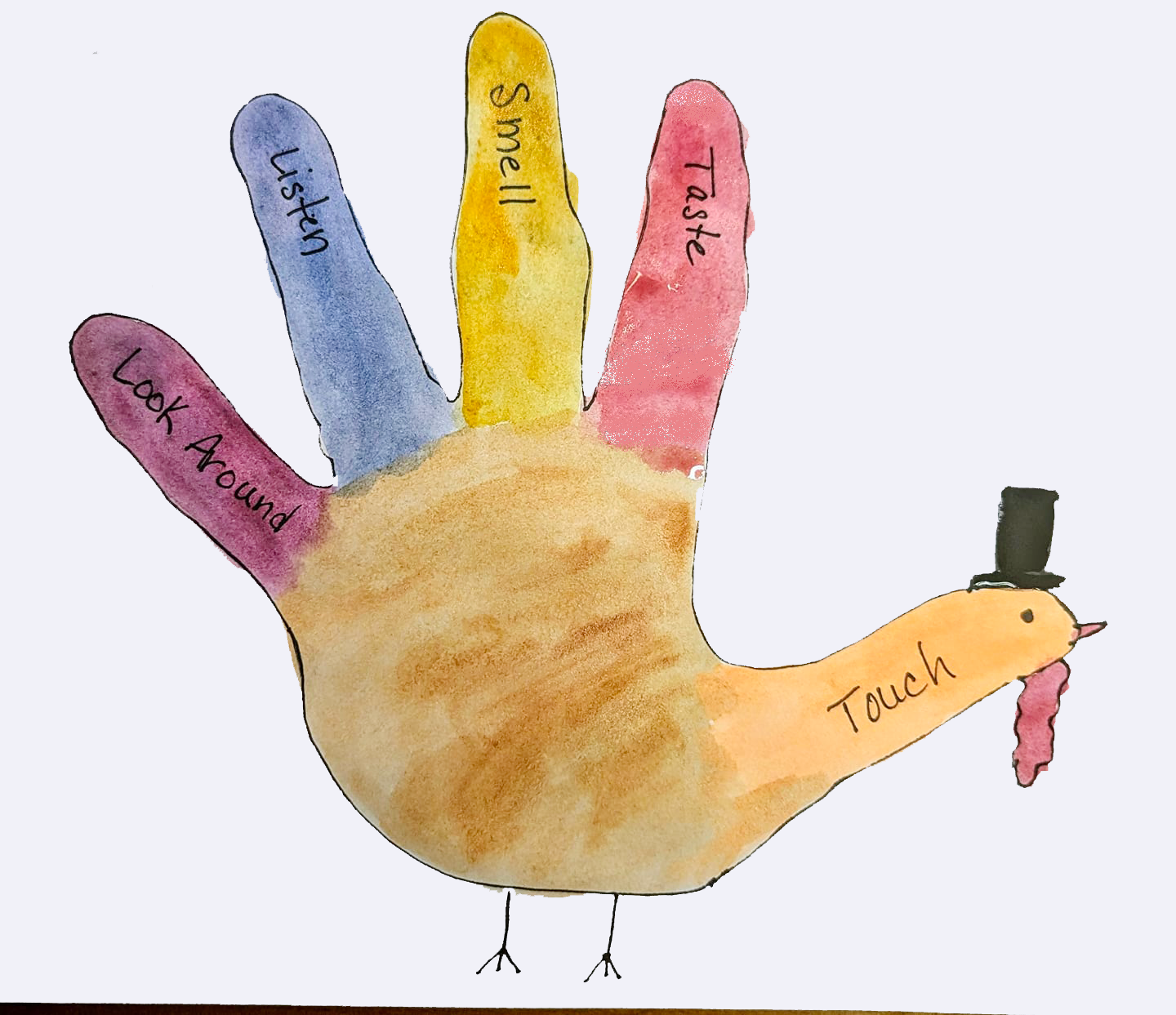
To make this five senses gratitude practice even more fun, try this simple doodle exercise! Bring back the joy of childhood Thanksgiving turkey handprints, with each “feather” representing a different sense of gratitude.
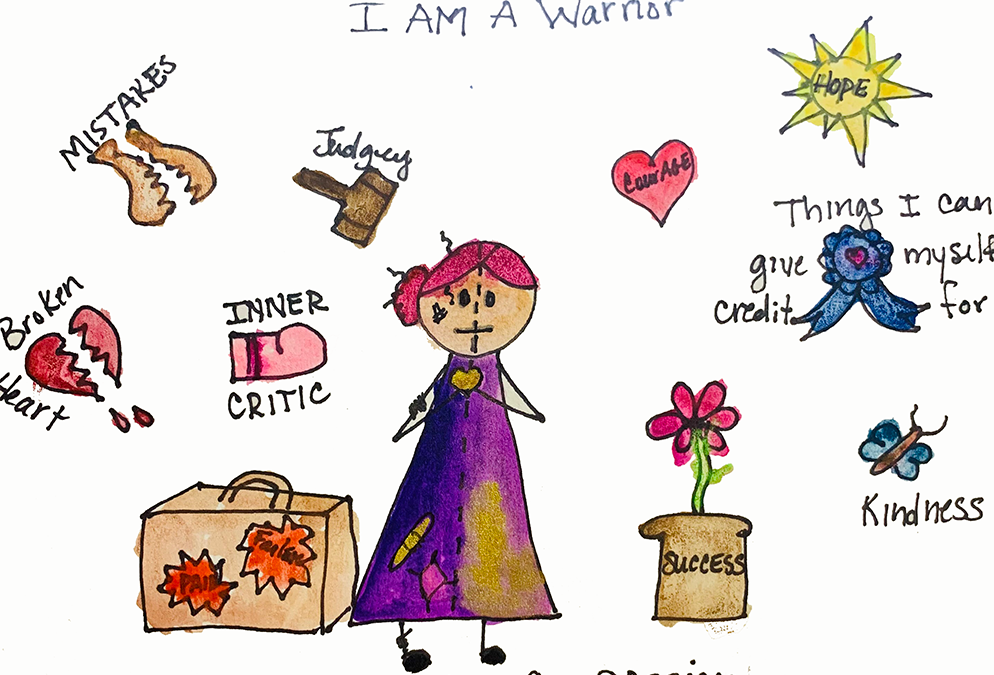
For the better part of my adult life, I embarked on a relentless quest to find something that could “fix” me. I invested energy in losing weight, going back to school, attending self-improvement classes, and devouring self-help books. Yet, despite my efforts, I felt stuck, useless, and hopeless. Little did I know that the answer I sought was right at my fingertips. It was through the simple act of doodling that I discovered the power to change my life. In embracing vulnerability through doodles, I found the courage and resilience to rewrite my narrative. This blog post invites you to embark on the journey of a doodle warrior, where vulnerability becomes a catalyst for joy, love, purpose, and creativity.
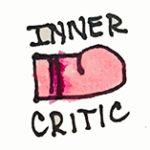 Before my encounter with doodling, I found myself trapped in a cycle of endless self-improvement, never embracing my vulnerability. Fearful of making mistakes, looking foolish, or being seen, I hesitated to make meaningful marks in my life. However, it was in the vulnerability of those simple doodles that I discovered a profound transformation. Doodling allowed me to shed my armor of fear and insecurity.
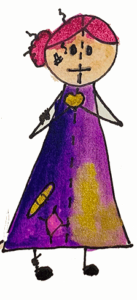
Through the twelve transformative tools of Doodle Therapy, I witnessed a metamorphosis in my life, marriage, and future. Armed with my pen, paper, mind, and heart, I transitioned from a victim to a doodle warrior. Embracing my vulnerability and standing in my power, I cultivated the ability to create and express myself authentically. Doodling became the vehicle through which I reclaimed my sense of worth, voice, and belonging.
Each chapter of Doodle Therapy invites you to embark on a profound journey of self-discovery. As you engage with the tools provided, you will unveil the unique person you are, tapping into the wisdom of your thoughts, emotions, and actions. Doodling becomes an interactive and transformative experience, unearthing the gold within you. This creative and purpose-filled process will surpass any previous attempts at self-improvement, offering a path that is both effective and enjoyable.
Are you prepared to embark on a journey of vulnerability and self-discovery? Doodle Therapy offers a safe, playful, and powerful space for personal transformation. It is time to release the shackles of fruitless endeavors and embrace the power of doodling. As you pick up your pen and embrace vulnerability, you will unleash your potential, resilience, and creative spirit. Doodle Therapy is not just a claim—it is a tangible, life-altering reality awaiting your embrace.
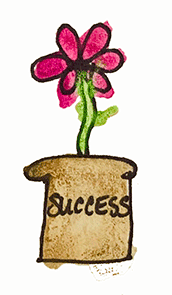 In my own journey, I have witnessed the profound impact that doodling can have on our lives. After years of searching for answers, it was in the vulnerability of those doodles that I found the missing piece. Through Doodle Therapy, I tapped into a wellspring of courage, confidence, and authenticity. Today, I invite you to join me on this transformative adventure. Let us grab our pens and paper, open our minds and hearts, and discover the power of vulnerability through doodling. Doodle Therapy has the potential to revolutionize your life, offering a pathway to joy, love, purpose, and creativity. Learn more about Doodle Therapy here and how it can help you!
Are you ready to embrace vulnerability and unleash your inner doodle warrior? Let’s embark on this transformative journey and celebrate our uniqueness. Click here to download a free chapter of Doodle Therapy!